- Kiki's Guide
- Posts
- When the Nervous System Runs the Show
When the Nervous System Runs the Show
Why Year-End Overwhelm Happens — and How Reflection, Gratitude & Somatic Awareness Bring You Home to Yourself

Kiki Sebring
December 07, 2025

We grow up believing that if we could just think better, plan better, organize more, we’d finally feel calm and in control.
But neuroscience tells a different story:
Your nervous system isn’t quietly running in the background — it’s running the show.
Your mind may write the goals and the lists, but your nervous system decides how you experience them — grounded or overwhelmed, spacious or suffocated, joyful or bracing.
And this time of year? The calendar says celebration, but for many women, the body translates it as pressure.

Your Nervous System Has Its Own Voice
It wasn’t a webinar or a book that finally made this click for me — it was something much more unexpected.
I went to my first somatic massage not because I understood the nervous system — but because my body was speaking louder than my thoughts.
Unlike a traditional massage, a somatic massage isn’t about muscle tension; it’s about nervous system awareness. It’s about how your body reacts to touch, pressure, slowness, and stillness. It’s noticing the instinctive flinch, the breath you didn’t know you were holding, the sudden welling of tears that appear without a story attached.
Touch can calm.
Stillness can feel foreign.
Comfort can feel unfamiliar.
And the body can hold a reaction that makes no sense to the thinking brain.
That experience opened a new curiosity in me:
If the nervous system responds this strongly to touch, how much is it responding — all day, every day — to stress, pace, pressure, tone, memories, and expectations?

Why Year-End Overwhelm Isn’t About the Calendar — It’s About Meaning
The end of the year holds symbolism — reflection, regret, celebration, comparison, endings, beginnings.
Your nervous system doesn’t interpret symbolism — it interprets sensation.
So while one part of you is excited for the season, another part may brace.
You can shop for gifts and still feel grief.
You can love this time of year and still feel anxious in crowds.
You can laugh by the fire and still cry on the drive home.
We are conditioned to believe we experience one emotion at a time — but the nervous system is far more layered.
Joy and grief can sit at the same table.
Hope and exhaustion can coexist.
Celebration and sadness can hold hands.
You are not failing for feeling both — you are human.
Your nervous system is capable of holding many truths at once — and that matters deeply in a season where “joy” is expected, performed, and sometimes pressured.

Reflection: The Tool That Helps the Body Stop Carrying What the Mind Has Already Survived
Reflection is what helps the nervous system discern:
This happened to me, but it is not happening now.
Research shows reflective writing regulates emotional centers of the brain and increases cognitive processing — meaning it helps turn experience into understanding rather than stored tension.
Reflection tells the body:
You don’t need to keep bracing. We’re integrating now.
It’s the moment your past stops borrowing space from your present.
Gratitude: The Science of Joy in Small Increments
Gratitude isn’t the denial of pain — it’s the recognition of joy alongside it.
Gratitude increases serotonin and dopamine, decreases cortisol, and activates the parasympathetic nervous system — your natural calm.
But here’s the part no one tells you:
Gratitude doesn’t need to be loud to work.
It can be:
Warm light on the kitchen tile
A cup of tea you finally sat down to drink
A moment of laughter that surprised you
A familiar song
A breath that landed softer than the last
Gratitude is noticing joy — even when joy isn’t the only thing in the room.

Try This: A Nervous System Reset for a Season of Mixed Emotions
Before the year ends, try this 5–10 minute practice:
The 3–3–3 Somatic Reflection
Three things I survived
Three things I changed, created, or healed
Three moments of joy or gratitude — even if small
Place your hand over your heart or abdomen as you read them back.
Let your body feel the words.
This is where the nervous system learns safety.
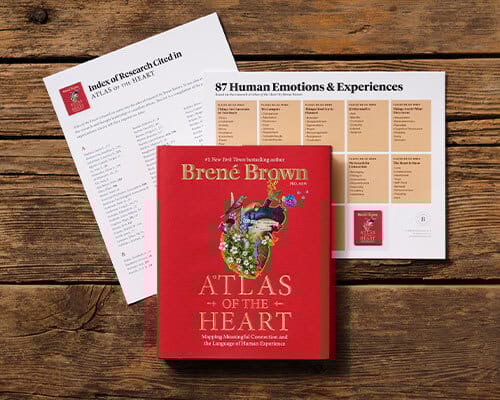
Recommended Reading for Nervous System Healing & Emotional Integration
Title | Author | Theme |
|---|---|---|
Bessel van der Kolk, MD | Trauma stored in the body | |
Peter Levine | Somatic experiencing | |
Stephen Porges | Safety, connection & regulation | |
Brené Brown | Naming and navigating emotions | |
Greater Good Science Center | Research on gratitude | |
Jon Kabat-Zinn | Mindfulness for stress & pain |

As We Close This Year
You don’t need to pick a single emotion to justify your experience.
You can:
Miss someone and still laugh.
Be proud and still tired.
Feel joy and still feel grief.
And your nervous system will hold all of it.
This season, may you give yourself permission to feel the complexity of your humanity — without labeling it, fixing it, or ranking it.
Reflection integrates.
Gratitude regulates.
Somatic awareness reconnects.
Your nervous system runs the show — but you are allowed to rewrite the script with gentleness.
Here’s to ending this year with compassion, curiosity, and presence — not perfection. 💛
